
Exploring Artisanal Pantry Staples Worldwide
Small-batch vinegars, heirloom grains, and single-origin spices gain the label 'artisanal' through traditional methods, skilled hands, and a focus on quality above quantity. Unlike mass market goods, these staples often come from producers who make fewer than 500 units at a time and use ingredients native to their regions. From black garlic in Japan to unfiltered olive oil in Greece, the range spans continents and climates. Food lovers chase these flavors for their authenticity, depth, and the story behind each jar or bottle.
Why artisanal pantry staples matter
Small batch spices from Turkey or heirloom grains from Italy rarely match the uniformity of mass produced versions. This difference shapes both the flavor profile and the experience of those who cook at home or seek uncommon tastes:
- Traceable sourcing – direct link to named farms or regions
- Minimal processing – stronger aroma and deeper natural color
- Traditional techniques – sun drying, hand pounding, or stone milling
- Seasonal variation – subtle shifts in taste throughout the year
- Distinct packaging – reusable glass jars or wax paper wraps
Mistaking a pretty label for genuine craftsmanship often leads to disappointment. Authentic products nearly always specify their origin or the traditional method used.
How to spot authentic artisanal products

Provenance claims often appear on jars and bottles, but packaging alone does not guarantee true craft. Producers who use traditional methods and small batch production often cannot compete with mass-market branding. Authenticity shapes not only the taste but also the story and value of each staple.
Recognizing genuine craftsmanship
Cracked surfaces on hand formed cheeses and uneven shapes in sourdough loaves often signal small batch production. Mass production rarely leaves these kinds of irregular details, which are valued for the character they bring to each item.
- Distinct textures and flavors from traditional techniques
- Limited quantities preserve quality over volume
- Direct links to regional ingredients and practices
- Visible signs of individual handling
- Inconsistent appearance and size across batches
- Shorter shelf life without preservatives
- Higher cost compared to industrial goods
A producer who uses time intensive methods and local materials delivers more complexity and authenticity than one relying on automation. Labels that clearly list the origin and production method build trust and transparency.
Understanding certifications and origins
Protected status labels such as France's AOP or Italy's DOP can only be used if strict regional rules are followed. These labels matter because they restrict ingredients and methods to what is traditional in a specific area.
A cheese with a DOP label from Italy must be made with milk from cows in the designated region, using recognized techniques. If a producer changes even one step, such as using industrial rennet or importing milk, certification is denied.
Products like Spanish Jamón Ibérico carry black or red seals that indicate the breed of pig and its acorn diet. A green seal, by contrast, signals less strict feeding and breed requirements, which lowers both authenticity and price.
Assuming a label means top quality leads to disappointment, since some marks only confirm origin. Checking the exact seal or code gives real insight into the product's story.
Verifying the origin and process behind a product reveals the difference between genuine craft and clever marketing. Labels from trusted organizations or direct farm sourcing offer clearer signals than catchy taglines or rustic designs.
What makes regional staples unique
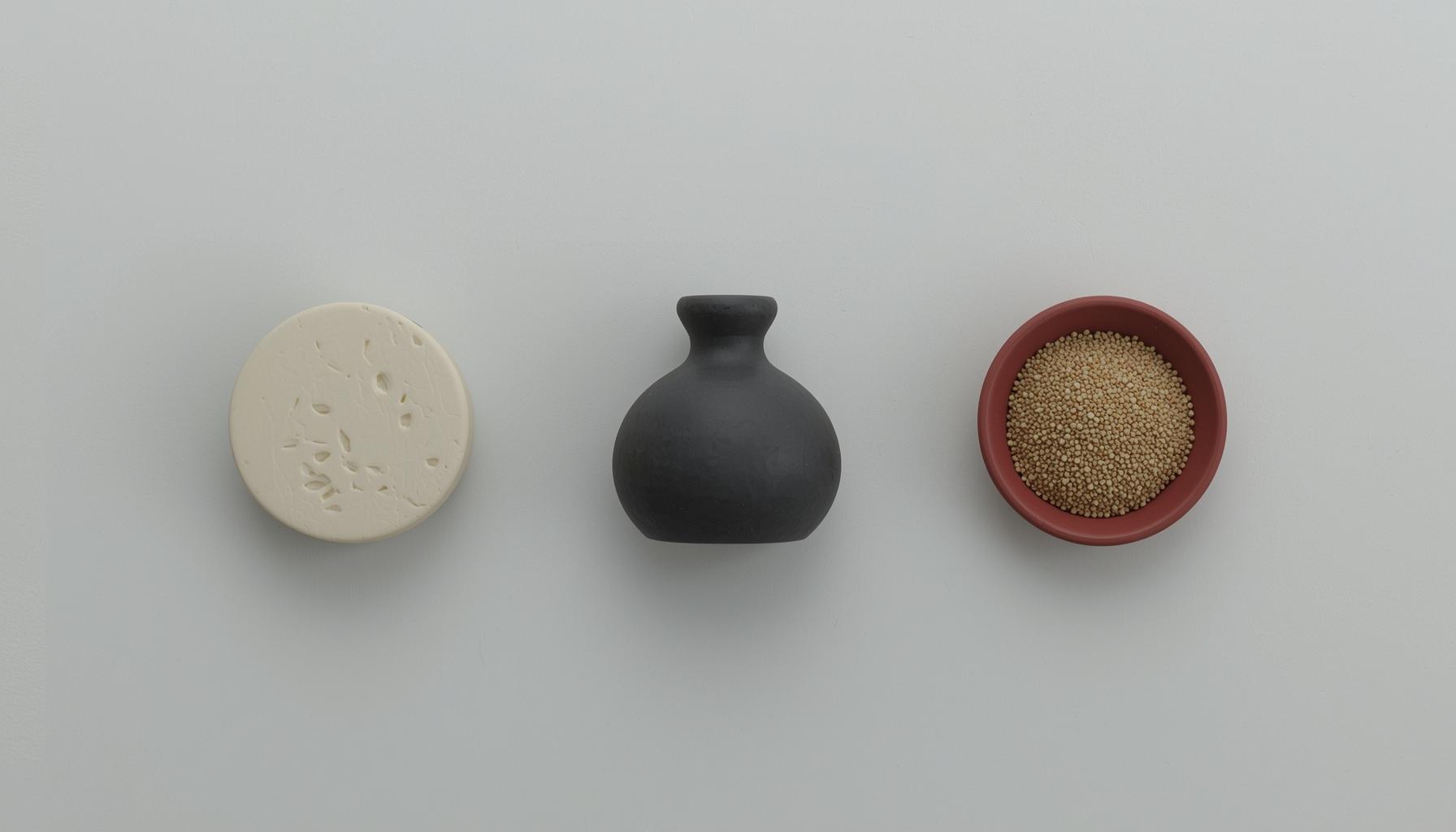
Distinctive pantry staples such as Japanese miso, French fleur de sel, and Mexican mole paste emerge from the interplay of geography, endemic crops, and local preservation techniques. A region’s climate determines the base ingredient–Mediterranean olive oil thrives where wheat would not, while Nordic countries favor rye and preserved fish for winter survival.
Traditional processing, like fermentation in Korean gochujang or sun drying in Turkish pepper pastes, introduces complex flavors impossible to replicate with industrial shortcuts.
Substituting these staples with generic products often erases the layered taste profiles and cultural context that define a dish. Regional specialties usually rely on generations of closely guarded methods that cannot be replaced by mass production.
Choosing the best for your kitchen

Selecting olive oil from a small-batch producer often brings out richer flavors than standard supermarket brands. Different traditions and regions shape the taste, texture, and uses of staples like vinegars, grains, or preserved vegetables. A thoughtful choice can elevate simple dishes and unlock authentic results in recipes tied to specific cuisines.
Matching staples to your cooking style
A kitchen stocked with region-specific essentials transforms home cooking into an experience that rivals a restaurant meal. The wrong match, such as using grassy Tuscan olive oil in a delicate Japanese broth, flattens flavors or overpowers subtlety. Identifying the right staple for each culinary style involves a few targeted steps:
- Scan the key flavor profiles of favorite dishes, such as smoky, citrusy, or umami-rich.
- Match signature ingredients–like Spanish smoked paprika or French fleur de sel–to the cuisines cooked most often.
- Test a single new staple with a familiar recipe and compare the result to the usual version.
- Evaluate the ingredient’s texture and finish, especially for items like coarse salt or raw honey that can alter final mouthfeel.
- Adjust staples based on how they interact with core techniques, such as grilling, braising, or quick sautéing.
A shift to just two or three well-chosen artisanal staples is enough to change the flavor landscape of a kitchen. Revisit favorite recipes after each swap to judge if the new selection truly fits the style and complexity of the dish.
Balancing quality and budget
Small-batch aged soy sauce commands a different price point than mass-produced alternatives, but the result can redefine a simple dish. Some staples justify their premium only when used frequently or as a flavor highlight, while others offer diminishing returns in daily cooking.
| Staple type | Entry cost | Flavor impact | Best use case |
|---|---|---|---|
| Cold-pressed walnut oil | High | Adds depth and nuttiness | Dressings for salads and roasted vegetables |
| Sea salt from Guérande | Medium | Subtle mineral notes | Finishing grilled meats or chocolate desserts |
| Barrel-aged red wine vinegar | Low | Complex acidity | Brightening sauces or marinades |
| Hand-harvested saffron | Very high | Intense floral and earthy notes | Special occasion risottos or paellas |
| Stone-milled tahini | Medium | Creamy, rich texture | Whipped dips or sauces |
| Raw mountain honey | Medium | Herbal and floral complexity | Cheese pairings or baking |
Investing in one or two high-impact items per season keeps costs contained while upgrading everyday meals. Starting with a specialty oil or finishing salt often delivers the most noticeable improvement in simple recipes.
Matching artisanal staples to the dish or cuisine brings both depth and authenticity to home cooking. Attention to origin, processing, and the maker’s approach leads to better results at the table.